
Science, technology, engineering, and mathematics are often viewed as the foundation of innovation. These fields…
What Teachers and Parents Often Discover After Watching Children Perform
A child can appear very different onstage from the child seen every day at home or in the classroom.
Teachers and parents may know a student as quiet, energetic, hesitant, distracted, or unsure. Then the curtain opens, the music begins, and that same child delivers a line, sings with confidence, remembers a cue, or helps another performer stay on track.
That moment can change how adults see the child.
Linda Suda’s children’s theatrical music productions are built around participation. Students are not simply watching a lesson. They become part of it through singing, acting, dancing, speaking, and working with an ensemble.
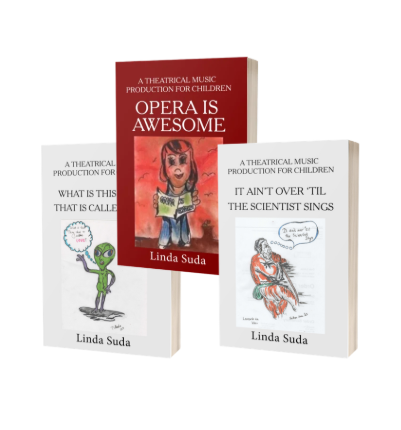
In Opera Is Awesome, children learn about the voice while performing. In It Ain’t Over ’Til the Scientist Sings, they explore the relationship between the arts and science through historical figures, music, and theatre. In What Is This Thing That Is Called Love?, they examine friendship, purpose, care, confidence, and human connection.
For parents, a performance may reveal abilities they had not seen before. A child who rarely speaks in a large group may project a line across an auditorium. A student who doubts his or her ability may complete an entire performance successfully. Another may discover a love of singing, acting, or dance that continues long after the production ends.
Teachers often make discoveries as well.
A theatrical production requires students to follow instructions, listen carefully, remember sequences, cooperate, and take responsibility. Children who struggle in one classroom setting may respond differently when learning becomes physical, musical, and creative.
There is also something important about seeing children depend on one another. A performance cannot succeed through individual effort alone. One child waits for another child’s cue. Singers listen to one another. Dancers move together. Cast members learn that their preparation affects everyone else.
Suda has described former students approaching her years after productions to say that the experience encouraged them to continue music lessons or become involved in drama. She has also received positive responses from teachers, parents, principals, and school leaders who recognised the benefits the productions brought to students.
Her books give schools and community programmes a way to create those experiences through opera and musical theatre designed with children in mind.
For adults in the audience, the final applause may be memorable.
What often matters more is the discovery that happens before it.
They see a child step forward, contribute, take a risk, and succeed.
Sometimes the performance reveals something the child was capable of all along.
Get Your Copy On Amazon:https://www.amazon.com/stores/Linda-Suda/author/B0GMD8C4G6
Comments (0)