
Science, technology, engineering, and mathematics are often viewed as the foundation of innovation. These fields…
Teaching Children the Many Forms of Love Through Music and Theatre
Love is one of the most important parts of the human experience, yet it can be difficult for children to fully understand and express. Through music and theatre, young audiences can explore the many forms of love in a way that feels natural, creative, and memorable. Linda Suda’s children’s opera What Is This Thing That Is Called Love? introduces children to the idea that love reaches far beyond one simple definition.
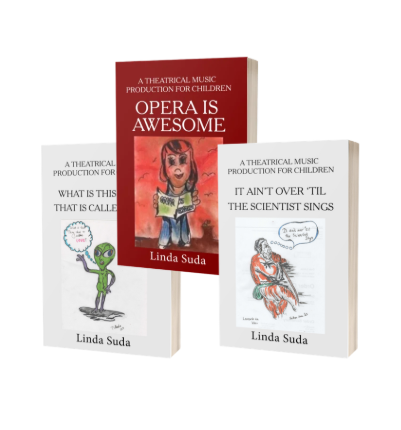
The production takes audiences on a musical journey where characters discover that love can appear in many different forms. Through opera, storytelling, and performance, children explore love for family, friends, animals, work, nature, adventure, and the world around them. These themes help young viewers recognize the many ways care, kindness, and connection shape their lives.
Music has a unique ability to communicate emotions that words alone sometimes cannot express. A melody can capture happiness, excitement, sadness, hope, and affection. When children experience these emotions through songs and characters, they gain a deeper understanding of how people connect with one another.
In What Is This Thing That Is Called Love?, a group of alien visitors arrives seeking to understand why love is so important to humans. Their curiosity allows children in the audience to look at love from a new perspective. As the story unfolds, they discover examples of love through different performances, helping them recognize that love is present in everyday experiences.
Theatre adds another important dimension by allowing children to see emotions represented through characters and actions. Performers demonstrate how relationships are built through trust, kindness, and understanding. Young audiences can relate to these experiences and begin reflecting on their own relationships.
The opera also highlights that love can be connected to purpose and passion. A person can love what they do, care deeply for others, appreciate beauty, or feel responsible for protecting the world around them. These lessons encourage children to look beyond themselves and understand the importance of empathy.
Linda Suda’s work shows how children’s opera can be both entertaining and meaningful. By combining classical music with accessible storytelling, her productions create opportunities for children to learn important life lessons while experiencing the excitement of performance.
Teaching children about love through music and theatre gives them more than an enjoyable show. It helps them develop emotional awareness, creativity, and compassion. When children learn to recognize different expressions of love, they gain a greater appreciation for the people, places, and experiences that make life meaningful.
Through the power of opera, children discover that love is not limited to one feeling or one relationship. It is a connection that can inspire kindness, creativity, and understanding throughout their lives.
Comments (0)